
How To Behave During A Traffic Stop
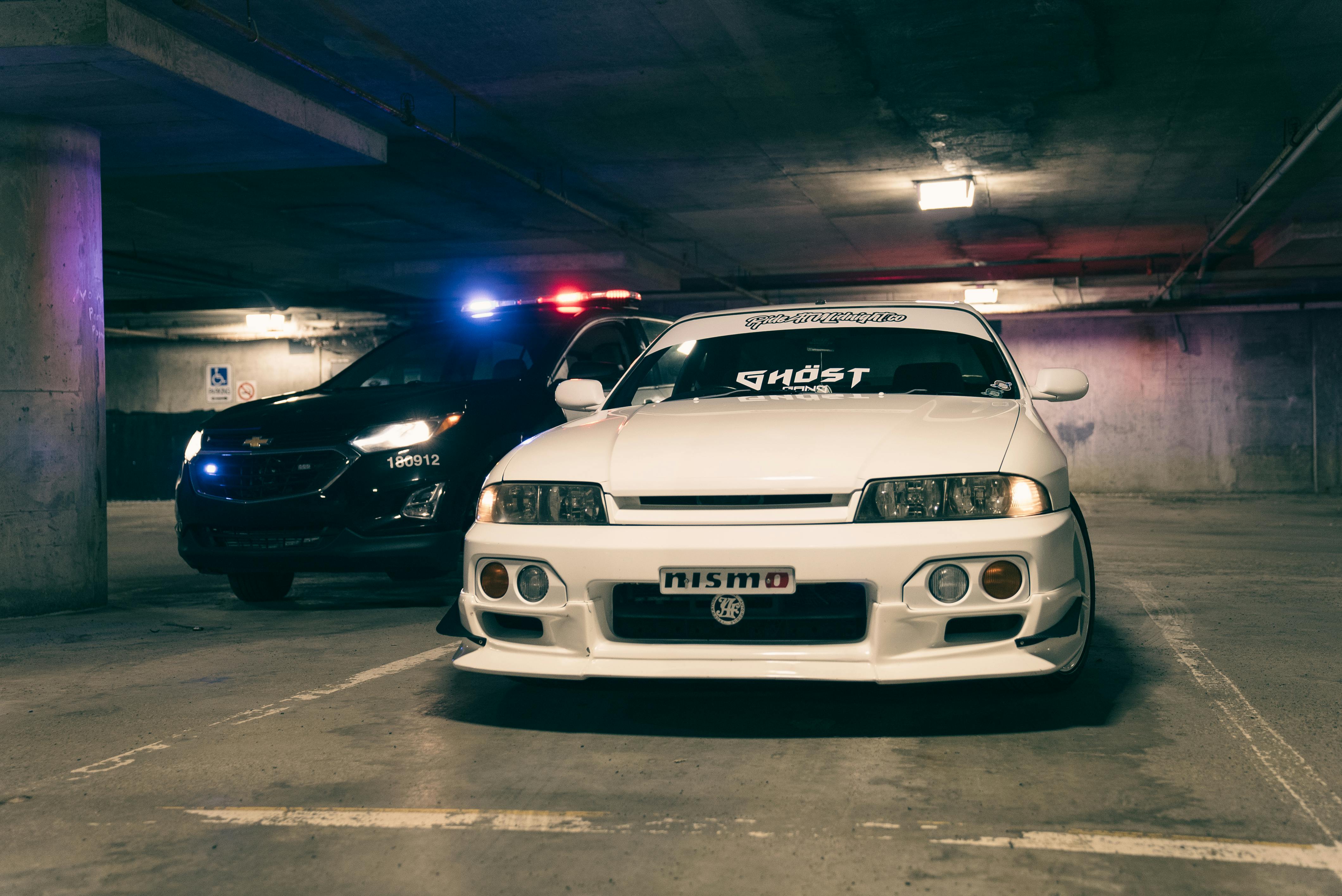
But that doesn’t make the experience any less frightening for the average person. When you see the red and blue lights flashing behind you, take a deep breath as you pull over. It’s normal to experience nervousness during a traffic stop, but it’s crucial to remain cool, calm, and cooperative.
A Step-By-Step Guide On Interacting With Police Officers
As a licensed driver, at some point you’re likely to get stopped by a police officer — even if you are a safe, well-trained motorist. Burnt light bulbs, expired tags, improper signaling are all small, yet valid reasons to be stopped by law enforcement.
The problem is that most people don’t know the reason behind the traffic stop, which can feel stressful and overwhelming waiting for law enforcement to approach. If the police officer feels that you are overtly nervous and possibly suspicious, a simple traffic stop can become something more.
Step 1: Use The Turn Signal And Pull Over Safely
As long as it is safe to do so, once you see the police lights flashing it’s imperative to pull over. However, do not act so quickly that you forget to signal — that’s a traffic violation that could result in a second ticket from law enforcement.
Step 2: Turn Off The Car And Remain Seated
Once you pull over, it may take a minute or so for the officer to safely approach your car. Take this moment to turn off the car and any other distractions (music, podcasts, news, etc.,) so that you are prepared to give law enforcement your full attention.
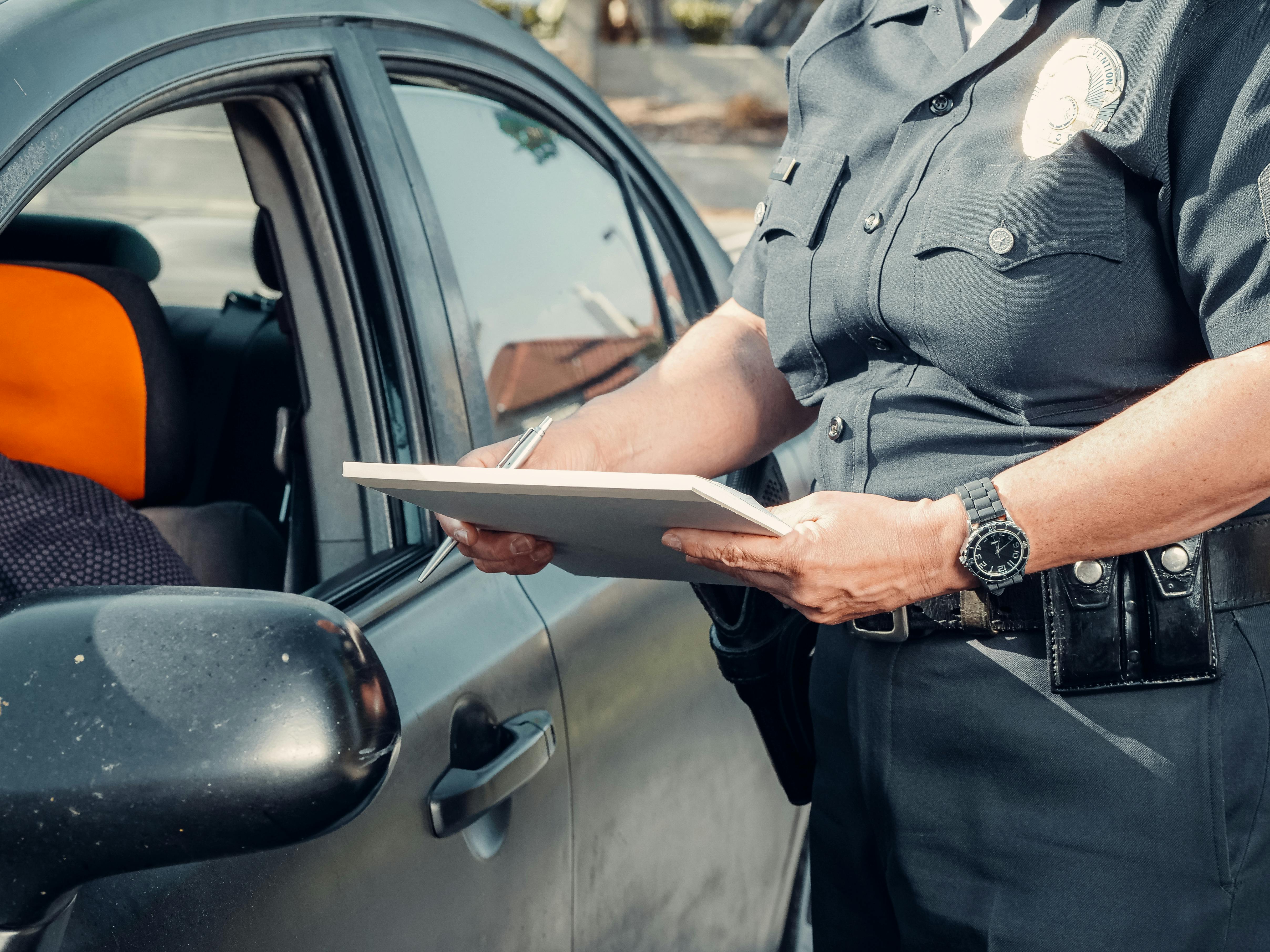
If you are pulled over at night, turn on your interior lights so the officer can see you and your passengers. Law enforcement officers have to remain aware of potential danger at any point in time, so turning on your lights shows them that you are cooperative.
Do not get out of the car unless explicitly instructed by law enforcement. It’s best to remain seated with your hands clearly visible and/or placed on the steering wheel.
Step 3: Be Cooperative During Initial Interaction
The police officer will select a side to approach. When you see the officer walking, roll down the window nearest to them. This may be your passenger side window and not the driver’s side.
If you have a weapon within your car, the American Association of Motor Vehicle Administrators advises motorists to inform the officer of the weapon during this initial interaction. Additionally, you should wait for law enforcement’s prompt for license and registration to avoid any unknown sudden movements.
The officer will ask some questions and explain the reason for pulling you over. As long as you follow their orders, everything should go smoothly. Do not attempt to argue with the officer at any point and remain respectful.
Optional: Filing A Complaint Against A Law Enforcement Officer
Determine which police department the officer works for and contact their main office to inquire about the complaints process. Every department accepts complaints differently, so you may need to verbally recount the incident to the operator, complete a written form, or file directly online. Be sure to ask the office contact about their department’s method.

If for some reason, you are not successful or comfortable filing directly with the department, you can fill out a complaint with the U.S. Department of Justice.
Traffic Stop Gone Wrong?
A simple traffic violation can become a legal nightmare for some drivers if their interaction with the police officer turns sour. If you’re facing serious driving related consequences like losing your license due to DUI charges, contact the criminal defense attorneys at Hickey & Hull.
With our professionals on your side of a court battle, things are about to get better. Make the call to (479) 434-2414 and start building your legal defense today.