
The Rules Of The Road For Motorcyclists
From seasoned pros to newcomers, take a moment to review the rules and regulations of the road. These laws are set in place to keep you and fellow riders protected from physical harm or legal consequences.
Before You Hop On The Bike
First and foremost, Arkansas requires all motorcyclists to be wearing eye protection. In order to meet legal guidelines, eye protection must:
-
Fasten tightly and securely to the face
-
Permit air flow with extra space for riders with glasses
-
Provide a clear, unobstructed view of left and right side while being scratch-free
-
Protect the face by blocking debris from entering
If you are younger than 21 years old, it is required by state law to wear a helmet. After 21, a helmet is optional. However, the Department of Public Safety strongly encourages riders to wear helmets to avoid deadly accidents. See the Motorcycle Operator Manual for detailed information on high-quality helmets that do not obstruct the driver’s view.
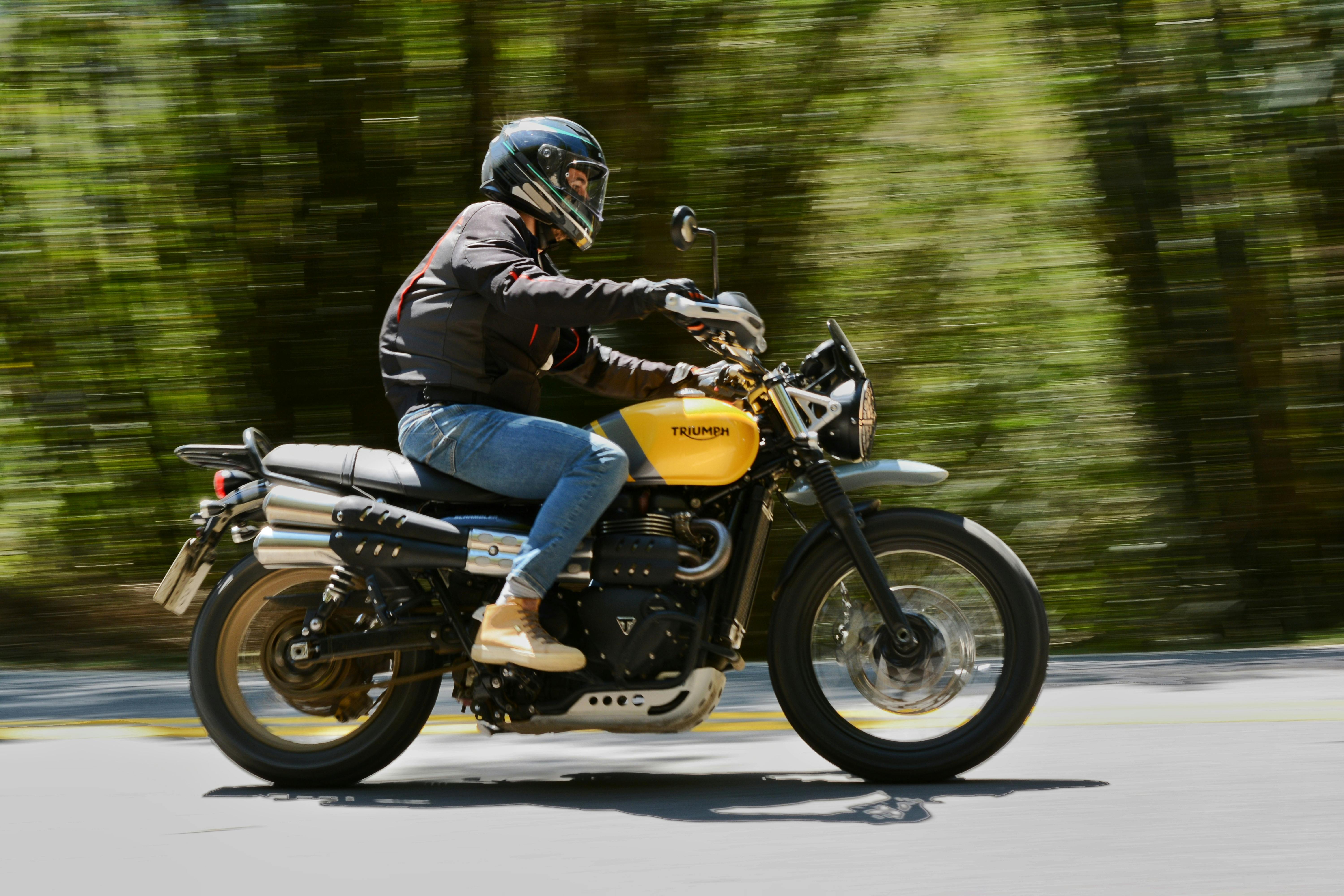
As always, you’ll need a valid license to operate a motorized vehicle on the road. In Arkansas, teenagers aged 14 and 15 can apply for Class MD license which permits riders to drive motorcycles 250 CC or less. Anyone 16 and older can receive a Class M license, good for operating any standard motorcycle.
Fixing Up An Old Motorcycle? Make Sure It’s Street Legal
If repairing motorcycles is your passion project, you’ll want to ensure that the bike is up to code before taking it out for a ride. Here are the eight requirements for a motorcycle to be street legal:
-
One or two (no more) headlights that can be seen from 500 ft
-
One red rear reflector that can be seen from 300 ft
-
One rear brake light that can be seen from 500 ft
-
Working hand or foot brakes
-
Functional horn (cannot be a bell, siren, or whistle)
-
Operational muffler
-
Safe for passengers with hand and/or feet holds, otherwise equipped with a sidecar
-
Working electric turn signals

If your motorcycle fails to meet these eight standards and you are pulled over by law enforcement, it may result in a traffic ticket or other legal trouble.
Maintain Current Liability Insurance
Every driver who owns a vehicle must carry liability insurance per Arkansas law — including motorcyclists. There are two main forms of liability insurance required: bodily injury and property damage. If you are involved in an accident, your insurance policy will distribute the appropriate funds to the affected parties to repair damage or heal from physical harm.
It’s crucial to maintain up-to-date liability coverage; no one can anticipate a motor vehicle collision, but non-insured drivers have serious legal and financial consequences when involved in an accident.
Legal Woes Involving A Motorcycle? Call Hickey & Hull Law Partners
Every motor vehicle accident has three sides to the story: yours, the other party, and the truth. When these stories conflict, you could be facing a costly legal battle to defend your side in court. But with Hickey & Hull attorneys, things are about to get better.
If you or a loved one were involved in a serious motorcycling incident, call (479) 434-2414 today to schedule your initial consultation with our legal team. Hickey & Hull have represented personal injury and criminal defense clients across Arkansas, striving for the best outcome possible, every time.