
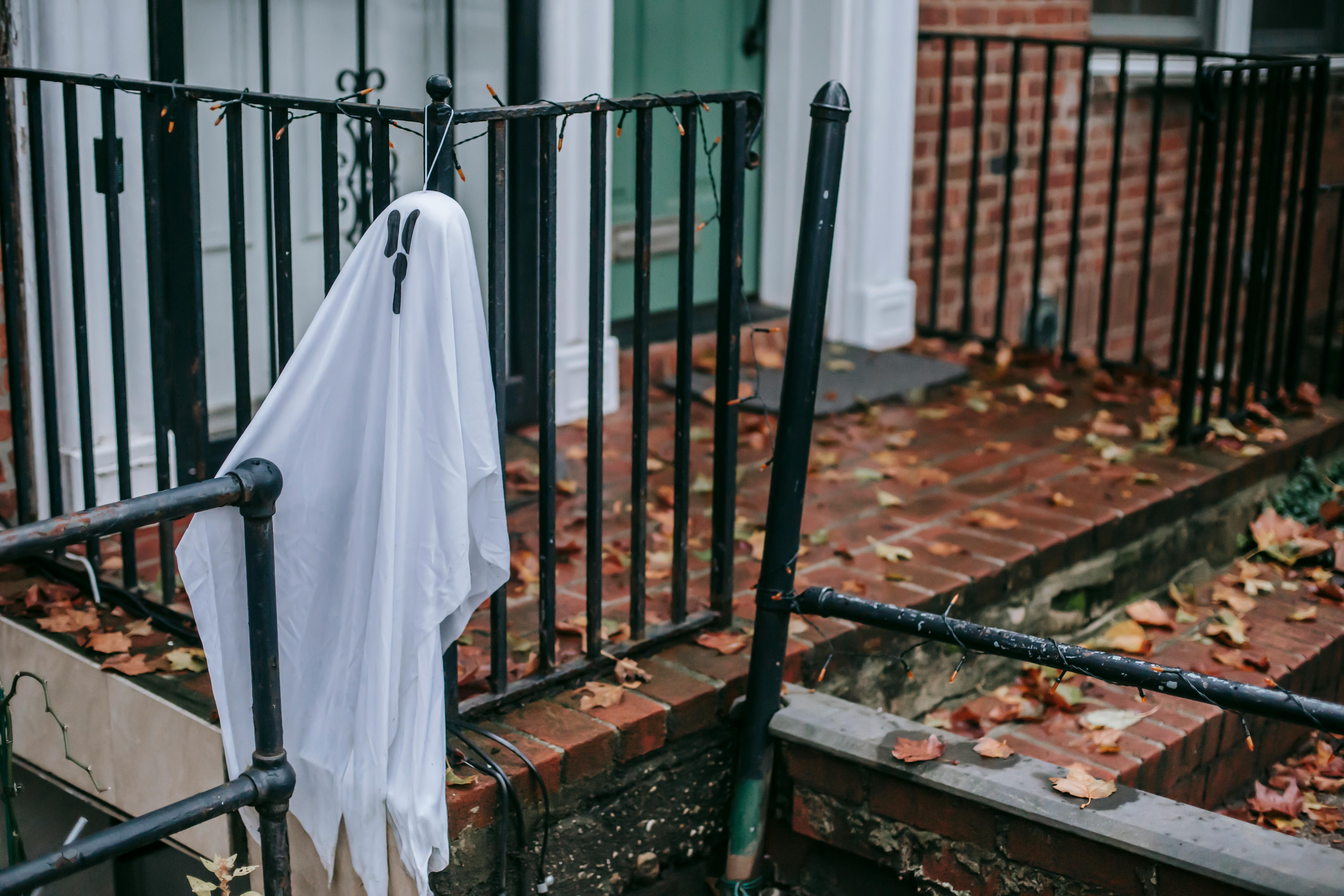
Phrogging: Strangers Living Inside Occupied Dwellings
Did you hear an odd thump in the middle of the night? For most homeowners, the source of the noise is benign, like pipes settling. However, for a few rare people, those spooky noises turned out to be everyone’s worst nightmare: someone living inside their home.
The wild, stranger than fiction phenomenon of phrogging is incredibly illegal, with criminals facing felony charges for breaking and entering at minimum. But like most true crime cases, it rarely stops there. Let’s explore the act of phrogging and a few real-life examples of unwanted house guests.
What Is “Phrogging”
When you see the word phrogging, think about squatters — people living on someone else’s property without permission. Phrogging is similar, but the key difference is that people are living inside of the home, without the knowledge of the homeowners.
The term “phrogging” is slang and not a formal term used by the justice system because it closely resembles squatting. Additionally, the punishment for the crime depends on why the perpetrator was phrogging in a dwelling. Are they stalking the homeowners? Planning to commit a heinous crime? Or just squatting due to homelessness?
As you can imagine, the legal consequences will drastically depend upon the motive.
Ulterior Motives Behind Phrogging
Actively living in someone’s home residence without permission is incredibly dangerous, illegal, and highly unusual. Nevertheless, there have been a small handful of “phrogging” cases where we can study the motive of the perpetrator.
Desperation
Sometimes, there is no deep, nefarious reason behind squatting or phrogging; sometimes it’s due to extreme hunger and cold weather. When the body enters hypothermia, it can result in confusion and risky behaviors like breaking and entering into a warm home. Additionally, if the body is in starvation mode, individuals may lack the means to acquire food, water, and shelter on their own.

Crimes committed in desperation are hardly newsworthy, which is why you don’t see headlines like “Person Breaks Into Home To Survive Hypothermia/Starvation.” But it is a problem for law enforcement in areas with a large homeless population.
Stalking A Victim
Despite being very rare, a number of celebrities have experienced phrogging in their residents including George Michael, Jennifer Lopez, and Rihanna. In most of these scenarios, the perpetrator is a stalker who committed the act to get closer to their victim.
Pamela Anderson’s stalker resided unseen in a guest house on Anderson’s property for a few days, stealing from the actress when she was out of the house. In a bizarre, horror movie-like discovery, she was dressed in Anderson’s famous Baywatch red swimsuit when found.
Violent Crimes
Criminals can be bold in their actions, phrogging inside a house with intent to harm the residents. One of the first notable cases occurred in 1986, when the Bowen family of Massachusetts was taken hostage by a man holding a weapon, who emerged from the walls.
The man was Daniel LaPlante, who went on one date with teenage Tina Bowen and began stalking her. Detectives estimate that he was living within the walls of the Bowen’s house for at least one year. Tina was able to escape and contact the police before any harm came to the Bowens, however, LaPlante got away before law enforcement arrived.
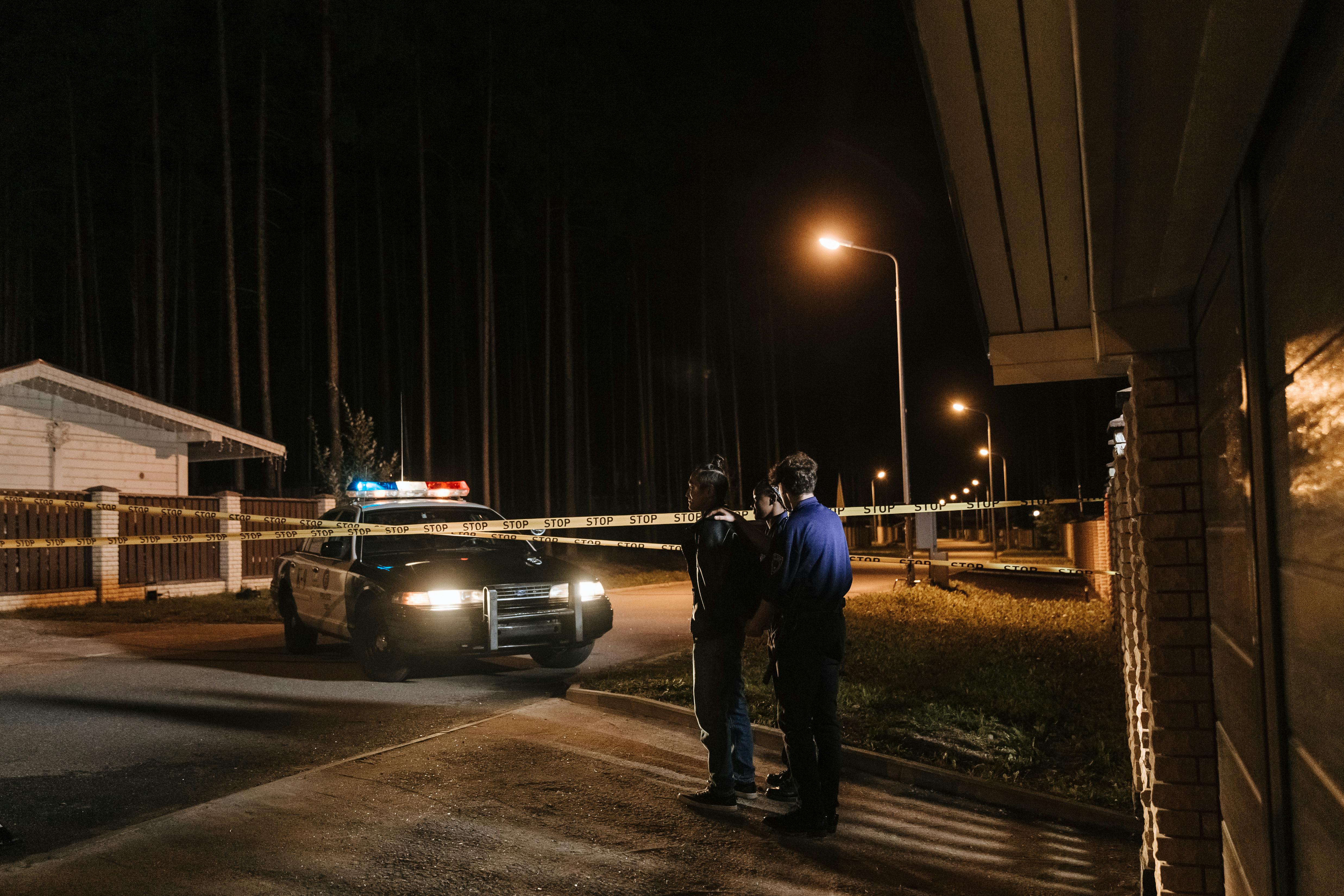
LaPlante remained at large until he committed his next crime — only this time, his actions were far more deadly. In late 1987, LaPlante broke into Priscilla Gustafson’s home and murdered Priscilla and her two young children. He was captured and currently is serving a life sentence.
Things Are About To Get Better
When someone threatens your family’s safety, you need legal protection fast. Call the civil or criminal law attorneys at Hickey & Hull to set up your initial consultation and discuss your current legal dilemma. Our professionals are dedicated towards helping you feel safe and secure in your own home again.
From obsessed fan to scorned ex-partner, if you feel like you are being stalked and want to discuss your legal options, dial (479) 434-2414 and fin