
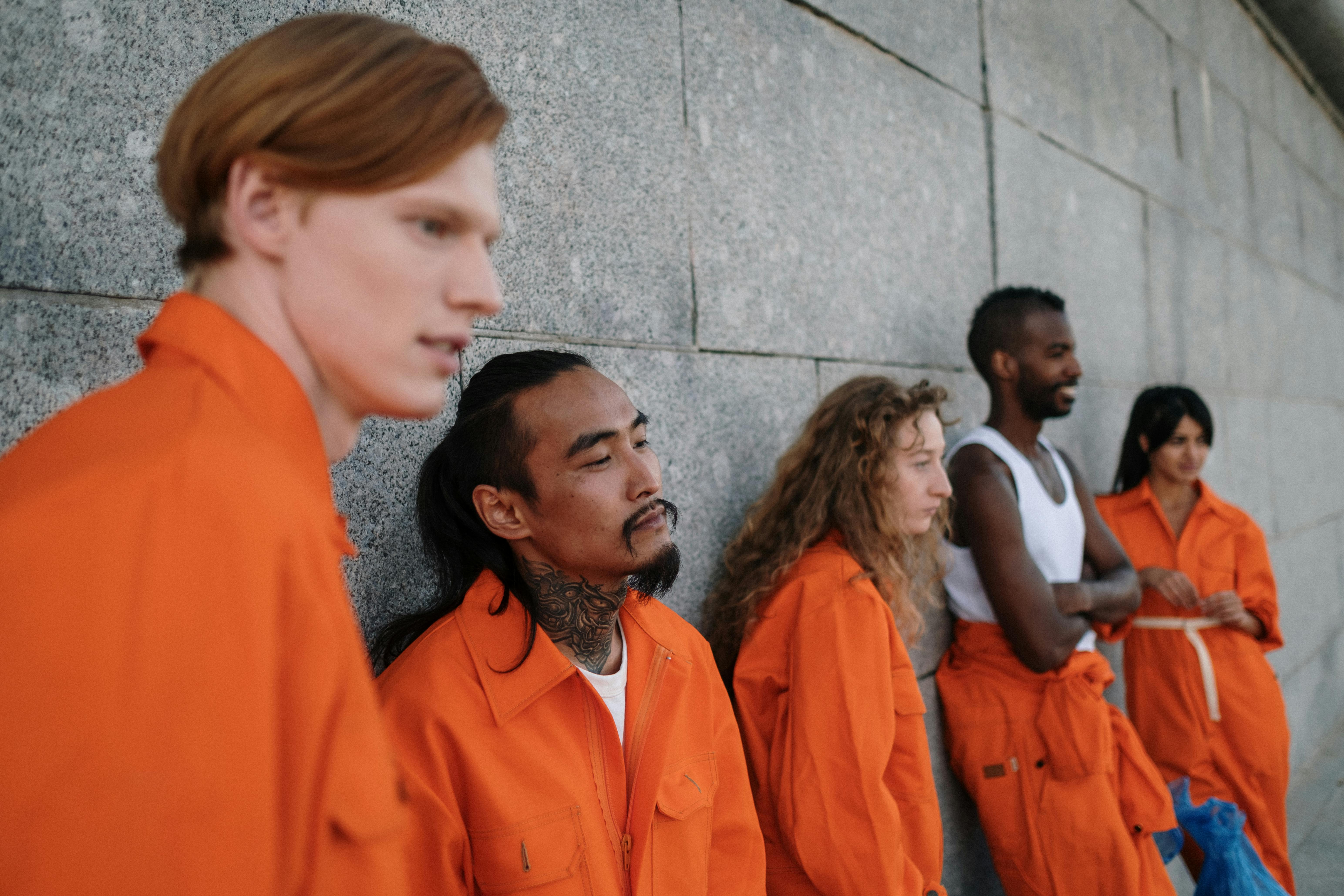
Dress To Impress The Judge And Jury
This week, a New York judge granted Luigi Mangione’s request to attend his court hearings in civilian clothes. As you can imagine, the internet took this headline and ran with it, making off-the-cuff remarks about which fashion house will dress Mangione.
Jokes aside, a client’s physical appearance and presentation in a courtroom needs to be neat and tidy. Loud patterns and fabrics that draw attention should be avoided to avoid any implicit biases affecting a defendant’s case.
The worst outfit to stand trial on? An orange jumpsuit. Every legal professional knows this, but a great lawyer will fight for their client’s right to maintain a presumption of innocence by wearing civilian clothes on trial.
The Psychology Behind Prison Orange
Have you ever wondered why the American prison system predominantly uses orange jumpsuits to clothe inmates? The answer is simple: high-visibility.
Among all the commonly occurring colors in nature like green, blue, and brown, orange provides a bright contrast. Hunters wear orange as a safety measure because the human eye is naturally drawn to contrasting colors, so their fellow trappers can see them clearly in the wild.
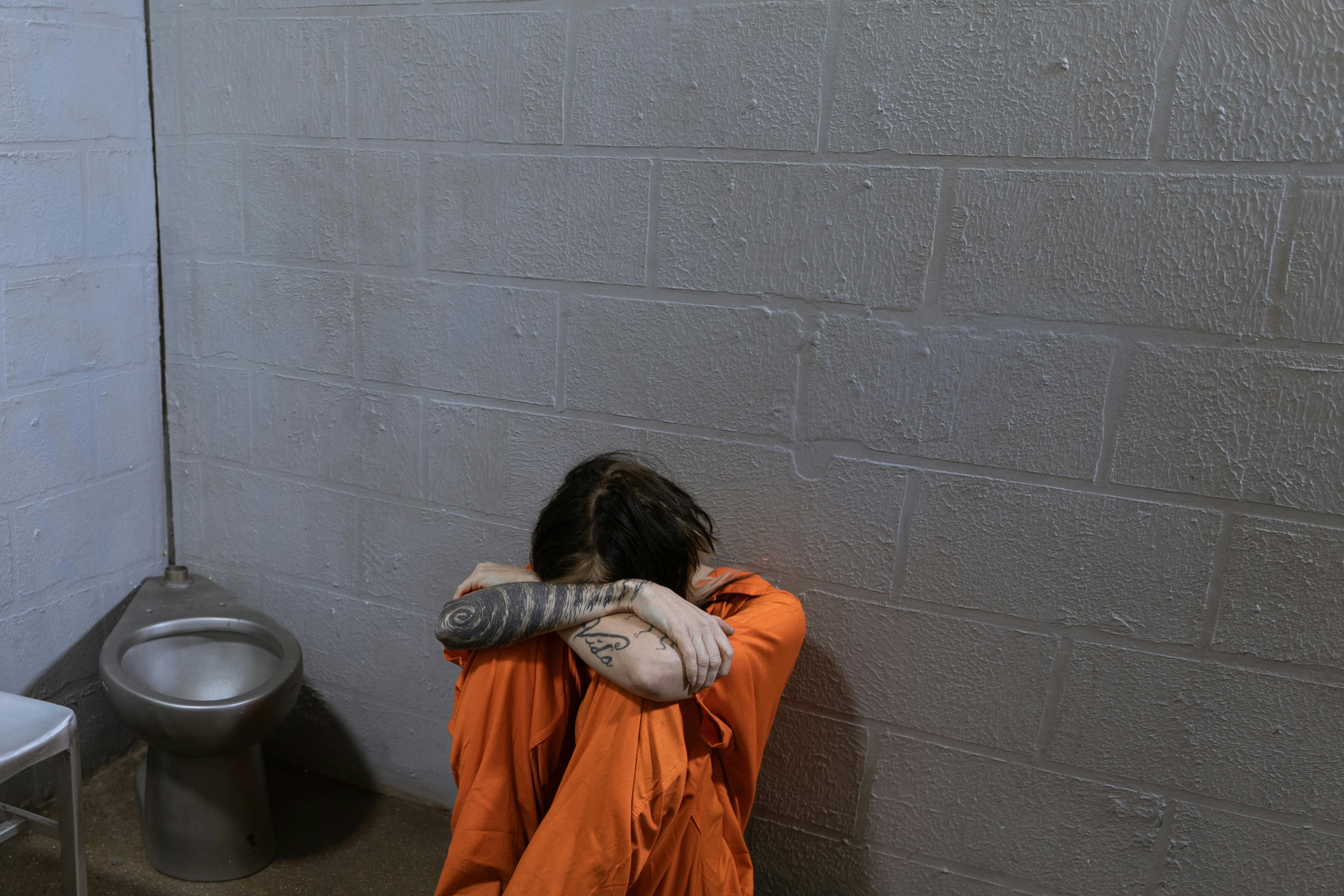
Thus, prisoners were dressed in orange to help corrections officers detect escaped convicts and hidden contraband. But the symbolism behind prison orange started to take hold on the public. The media commonly used it to depict a population of prisoners, which cemented the strong association between orange and danger.
The Importance Of Appropriate Courtroom Attire
With the implicit biases surrounding the prison orange jumpsuit, it’s the last thing anyone standing trial wants to wear in the courtroom. Even if a judge or jury tries their hardest to be impartial, implicit biases are ones that individuals are unaware of — so even if you say an orange jumpsuit won’t affect an outcome, the association between crime and orange is so powerful, you don’t even realize that your brain made that connection.
In fact, back in 1976, the Supreme Court ruled that defendants standing trial should be allowed to wear clothes that differ from their prison uniform. But the request must be made by the defendant’s attorney in a timely fashion prior to the courtroom trial.

Courtroom attire is one minor detail in a sea of legal complexities, but it’s a detail that can be crucial to a fair trial. Defendants have a lot of preparations to make ahead of their court proceedings, so it’s easy to see why some people end up on trial in their prison attire — they didn’t plan and request civilian clothes ahead of time.
How To Find An Attorney Who Works For You
If you’re facing a jury trial, you need a lawyer who knows the system and can anticipate your needs before it’s too late. Not many clients have experienced jury trials, but lawyers have seen more than they can count. A skilled professional will be thinking about their client’s courtroom appearance well ahead of their scheduled trial.
When you need a reliable attorney to defend your case in court, contact the legal offices of Hickey & Hull. With five offices in Arkansas, we have represented clients in criminal, family law, business, and civil suits across the state.
Contact us to find out more information about our legal services today!