

The Importance Of Voir Dire In Criminal Trials

Last year in August, Andrew James McCann murdered Clinton and Cristen Brink in Devil’s Den State Park, Arkansas. The case gripped the country, as the Brinks’ left behind two young daughters who miraculously escaped McCann’s wrath due to their sacrifice. McCann would evade law enforcement for a short period before his capture and arrest at a hair salon.
On July 7th, the court declared that McCann’s trial will start at the end of March in 2027. Now the prosecution and defense’s work truly begins by building their case in court. But it’s not as straightforward as it might seem. How can the court ensure that the jury remains impartial and free of personal biases when called upon for their verdict?
Voir Dire. A court process that allows the prosecution and defense to ask questions and evaluate a juror’s ability to serve.
What Is Voir Dire?
When you are initially summoned for jury duty, you experience the voir dire process. Potential jurors receive the screening questions and are asked for an honest answer. Typically, the lawyers are looking for jurors who do not have any conflicts of interest or times of hardship to serve on criminal trials. Attorneys have a few options to dismiss jurors from trial if necessary, but this process has its own distinct rules.
Some forms of media make light of voir dire, telling individuals to say grossly exaggerated claims to avoid serving on a jury. This is ill-advised, as the judge can issue serious consequences to individuals who are found lying.
Explaining Voir Dire Challenges
Upon preliminary jury selection, the prosecution and defense have the opportunity to change out jurors. This can happen in two ways: challenges for cause and peremptory challenges.
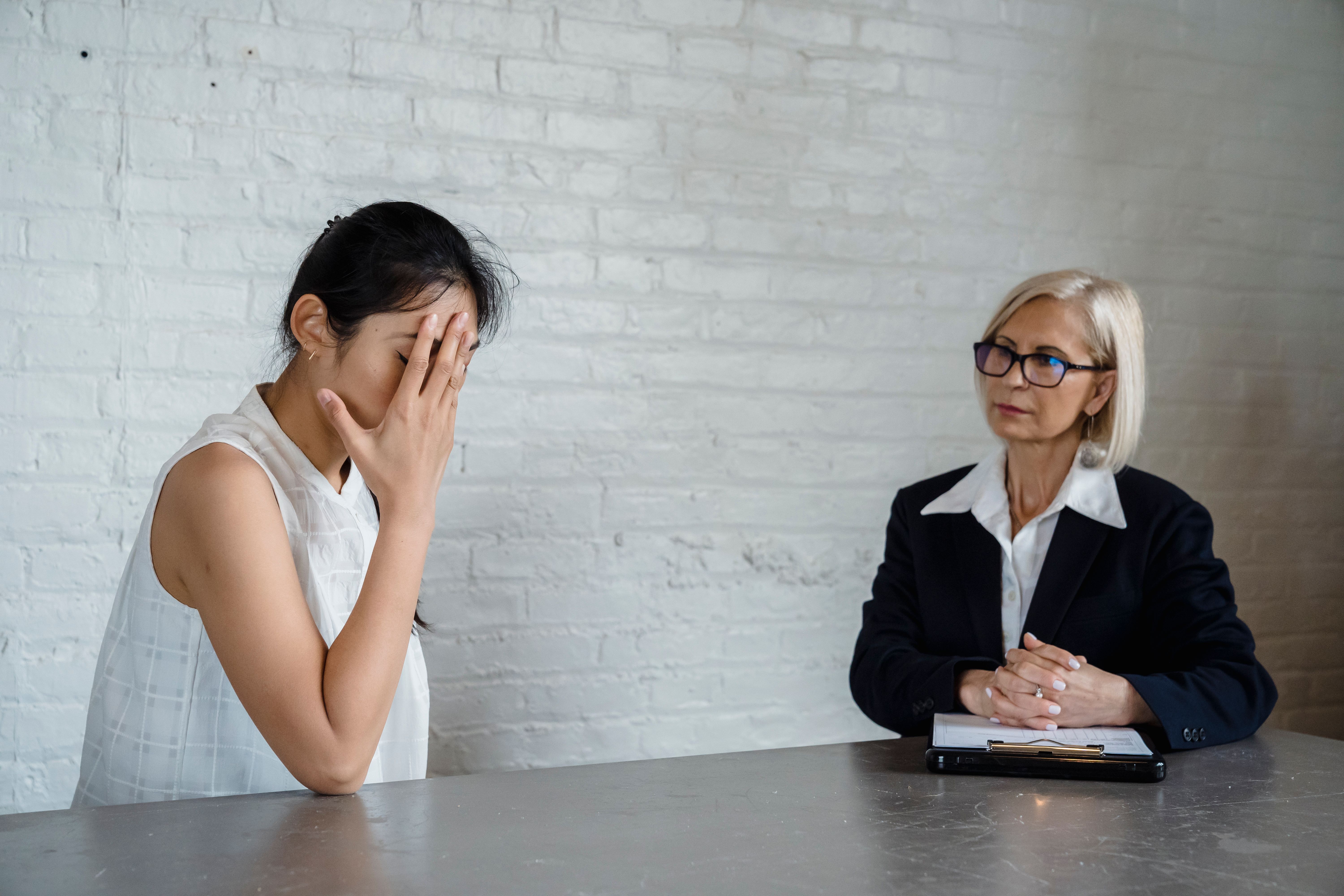
Challenges for cause puts a spotlight on a specific juror to test them for potential biases and prejudice. If there is evidence towards bias, the judge will dismiss the juror and return to the pool for a back-up. Attorneys can challenge potential jurors for removal without limit.
Peremptory challenges are given to the defense and prosecution to dismiss jurors as they see fit. No reason needs to be given for dismissing the juror, however, each side only receives a limited amount.
Avoiding Potential Prejudice Of Jurors
The attorneys can have all the time to prepare in the world — none of that matters without the voir dire process and selection of jurors. The prosecution and defense need jurors without prejudice or bias, which can be extraordinarily hard to find.
An individual who has strong views on the death penalty may be excused if the bias would affect the possible outcome of a murder trial. In the case of McCann, prosecutors are asking for the death penalty, so the potential pool of jurors will likely be asked for their opinion on the matter.

But the voir dire process for a murder trial will be much more in depth. Since the case reached national news, it can be challenging for attorneys to find an unbiased peer to serve on the jury. For example, McCann was caught in a local hair salon. Do you think a relative of the hair salon owner is an acceptable juror?
No. There’s a line of connection to the case itself, which can make a trial feel more personal and emotionally charged. The defense would struggle to present their evidence to someone personally associated with the case in any manner.
When It Comes To Voir Dire, Find A Professional To Represent You
If you are anticipating an upcoming trial by jury, take a moment to explore how Hickey & Hull’s legal team can help. Voir Dire is the jury’s first experience within the court room and it’s crucial to present an organized, confident appearance — which starts with your attorney.
If you’re looking to learn more about the criminal defense team at Hickey & Hull, call (479) 434-2414 or speak to our online representative to schedule your initial consultation. We want to help you receive a fair trial with a well-prepared legal defense and unbiased jury.