
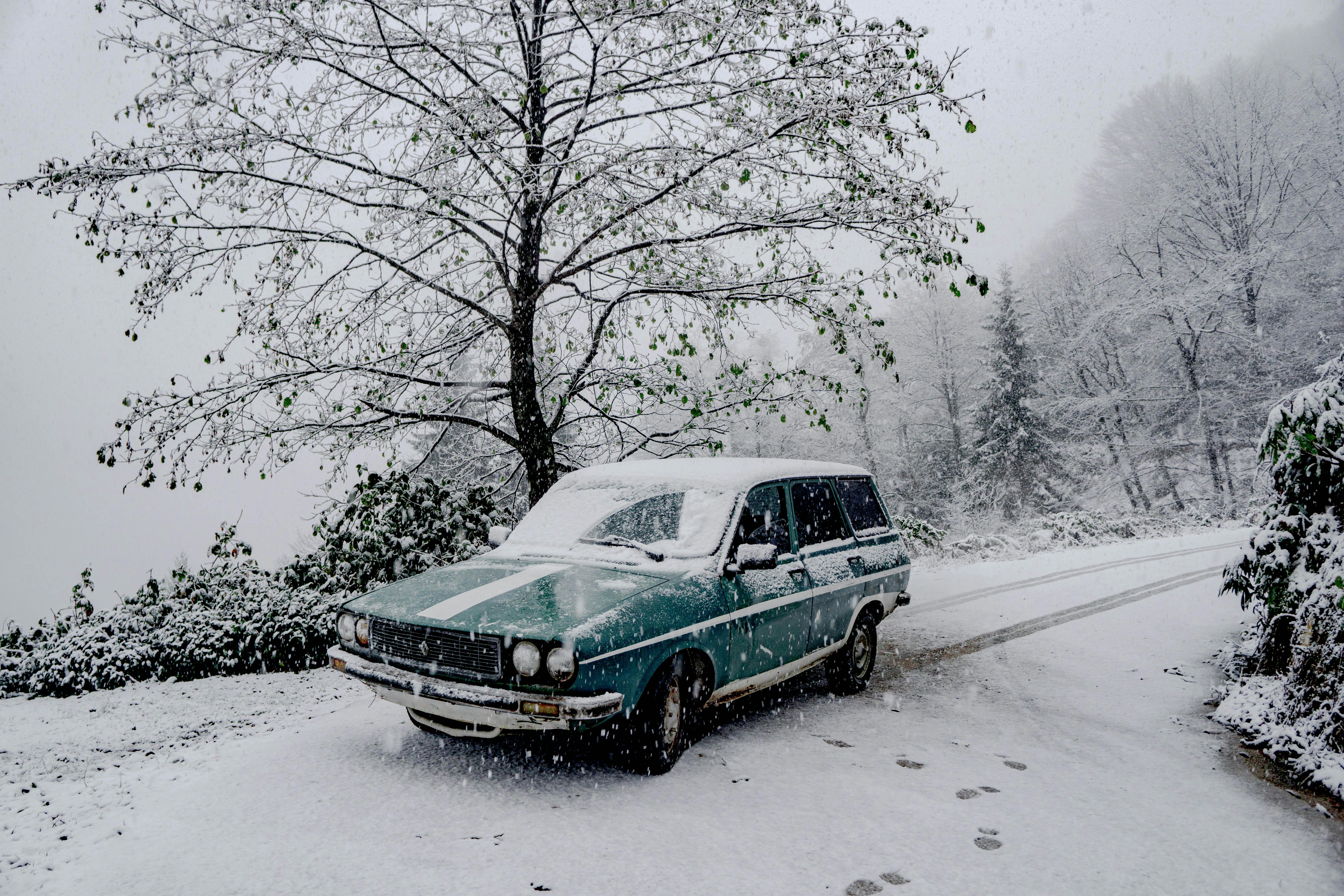
Icy Conditions Leave Structural Damage Across Arkansas
The recent glacial snowstorm that rampaged throughout Arkansas has left our communities repairing structural damage from the weight of snow, ice, and excess water. If you’ve noticed an overabundance of new potholes lately — you’re not the only one. Locally, Little Rock has started to fill the potholes caused by rapid shifts between ice thawing out and refreezing.
But the roads weren’t the only structures affected by the weather. A big concern for homeowners during chilly temperatures and winter snow storms is ice formation on their roof. When solidified in one big chunk, ice can block water from draining properly. Without drainage, the roof integrity is compromised and could result in serious physical and financial damage to the home.
We’ll review how to identify ice dams for future winter storms, but if you’ve already sustained damage from an ice dam, we’ll look at your options. It’s possible that someone else could be legally responsible for covering property damage.
Identifying Ice Dams
An ice dam is formed when the edge of the roof has water buildup that has frozen over. Due to the heat of the house and the natural environment, there is a pocket of water between the ice and the roof. The risk for structural damage increases the longer water rests on the roof.
Given the recent freeze-thaw cycle, many Arkansas properties suffered from water and ice damage. In Saline County, the ice caused so much structural damage that businesses crumbled under the pressure. If you live in a poorly insulated space, the risk for ice dams is higher.
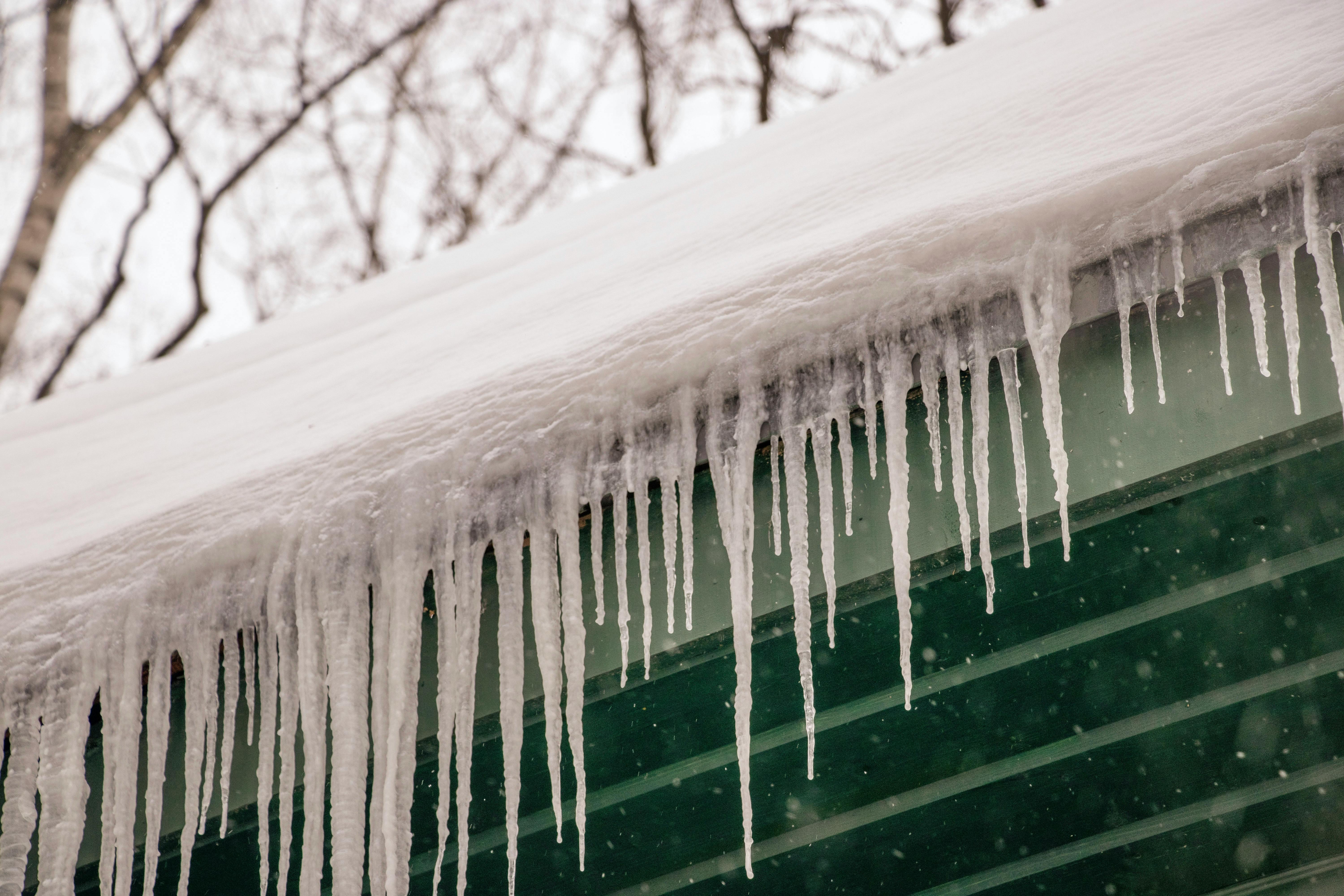
To identify an ice dam, look for icicles hanging off the house (a sign of water melting, but refreezing). If the icicles are attached to a larger chunk of ice that overextends your gutters, there may be water trapped inside, which means you have an ice dam.
If the icicles are detached and appear to be only on the gutters, it’s unlikely to be an ice dam. For more detailed information, view the University of Minnesota’s guide on ice dams.
I Had An Ice Dam That Caused Property Damage
Any homeowner with damage from a snowstorm should examine your insurance policy for information on coverage. The majority of policies have some form of coverage for winter weather, including damage left from ice dams.
However, if you identified the ice dam, hired a roofer to fix the issue, and sustained property damage after the issue was resolved, the roofing company may have failed to fulfill their contractual obligations. As the homeowner, it may be wise to consult with an attorney regarding contract disputes.
I Am A Renter Affected By Property Damage
Things get tricky for renters when their dwelling experiences weather related damage. By law, Arkansas landlords are responsible for construction and remodelling projects needed within the home. Unless the tenant has agreed in writing to take responsibility for home maintenance, the landlord is legally responsible for repairs.
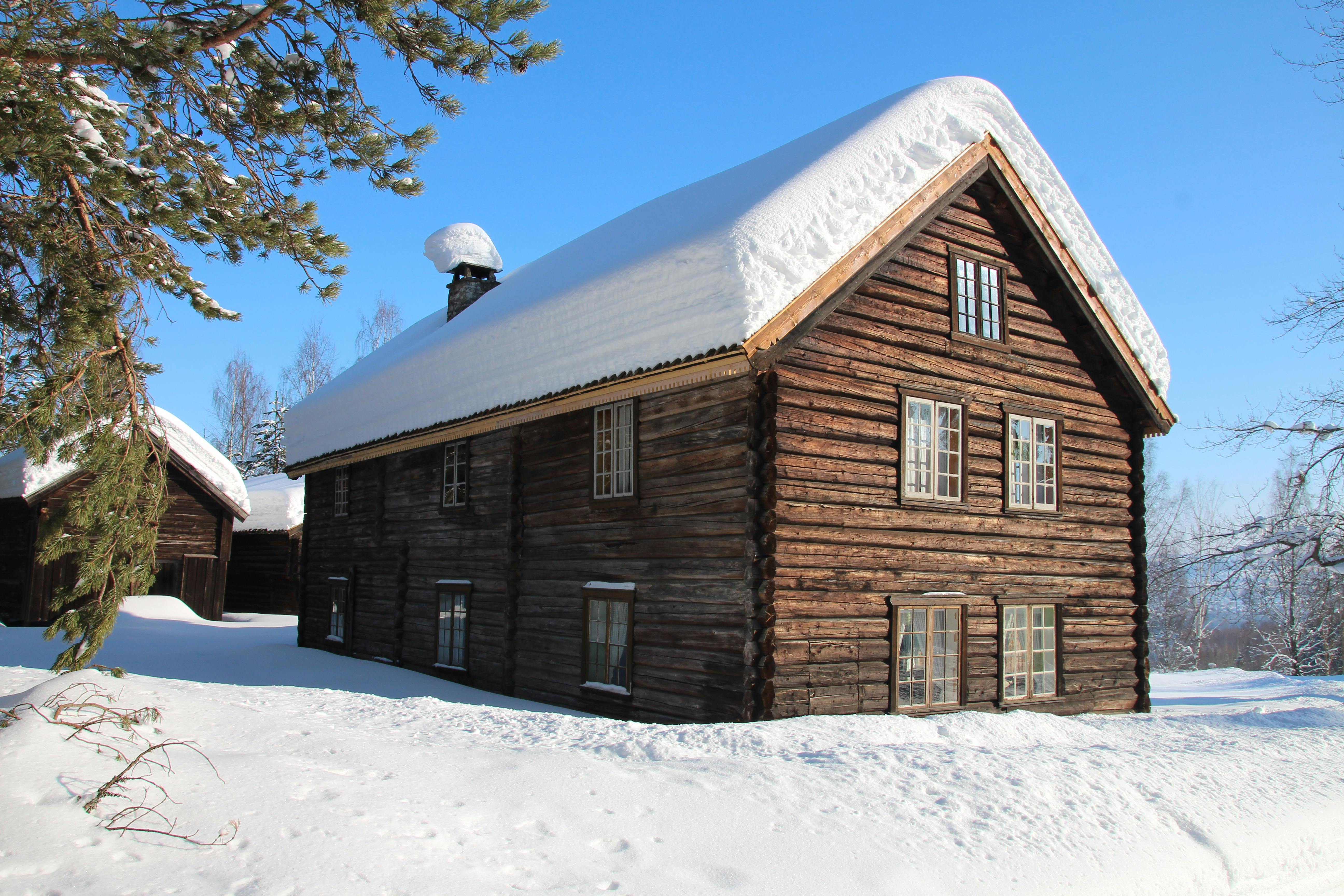
Any type of roof damage is a serious problem — lingering water can cause mold and mildew to permeate your living space, affecting your respiratory health. Your landlord should be thorough in repairing your living space to ensure any structural damage is repaired and the air is clean.
If your belongings have been damaged due to an ice dam or roof leak, renter’s insurance may cover replacement costs. However, in the event that they do not, if the renter has proof that the landlord was negligent in maintenance, they may sue the landlord for damages to their belongings.
Hickey & Hull: The Arkansas Lawyers Who Care
While the warmer weather has arrived, the structural damage leftover from the winter storm will take time to repair. If you were one of the many Arkansas residents who were negatively affected by the storm, despite being proactive to prevent property damage, it’s possible that someone else may be responsible.
Whether you are in a contractual dispute with a company that didn’t deliver or dealing with a negligent landlord that has caused undue stress, our team of legal professionals want to help. Schedule your legal consultation online or call (479) 434-2414 to get started.